
Rodent control Tucson naturally requires a multi-faceted approach combining natural deterrents, physical barriers, and regular inspections. Key strategies include planting citrus trees and herbs, securing trash cans, maintaining clean spaces, and introducing natural predators. Effective methods also involve trimming shrubs, sealing entry points, promoting predator species, and leveraging the local ecosystem for long-term prevention. These sustainable practices ensure effective rodent control while enhancing urban biodiversity.
Tucson’s vibrant backyard and garden landscapes attract a variety of wildlife, including rodents. While these creatures contribute to the local ecosystem, their presence can pose challenges for homeowners seeking to maintain beautiful outdoor spaces. Effective rodent control Tucson naturally requires a multi-faceted approach that respects both property owners’ needs and the well-being of local fauna. This article provides an in-depth exploration of strategies designed to deter rodents humanely, offering practical solutions for creating a harmonious balance between your thriving garden and unwanted visitors.
- Identifying Rodent Problems in Tucson Yards
- Natural Solutions for Rodent Control Tucson
- Creating a Rodent-Proof Backyard Habitat
- Sustaining Garden Health: Long-Term Prevention
Identifying Rodent Problems in Tucson Yards

Rodent problems in Tucson yards are a common concern for homeowners due to the region’s climate and abundant food sources. The city’s arid environment attracts various rodent species, including squirrels, mice, and rats, which can quickly transform lush gardens into their feeding grounds. Identifying these issues early is crucial for effective rodent control Tucson naturally and maintaining a healthy outdoor space. Residents often notice signs such as gnaw marks on plants, especially around trees and shrubs, where rodents feed on seeds and nuts. Additionally, chewed cables and insulation in attics or walls are clear indications of mouse infestations.
Tucson’s unique ecosystem presents challenges for traditional rodent control methods, prompting many residents to seek natural alternatives. The first step in addressing these problems is understanding the species present. Local wildlife experts advise that certain plants act as deterrents for specific rodents. For instance, citrus trees and some herbs like mint and rosemary can discourage rats from lurking in gardens. Installing physical barriers, such as metal mesh screens, around tree trunks and securing trash cans with tight-fitting lids, are practical measures to prevent easy access for these pests.
Regular inspections and proactive measures are key to successful rodent control Tucson naturally. Homeowners should remain vigilant during the cooler months when rodents seek shelter indoors. Sealing entry points and maintaining a clean yard reduces potential habitats. By combining natural deterrents, physical barriers, and routine checks, Tucson residents can effectively manage and prevent rodent infestations, ensuring their backyards and gardens remain peaceful retreats without unwanted visitors.
Natural Solutions for Rodent Control Tucson

Rodent control Tucson naturally begins with understanding the environment and adopting strategies that discourage rodents without resorting to harmful chemicals. One effective approach is to modify your backyard or garden to make it less appealing to these pests. For instance, keeping grass cut short and removing potential hiding spots like dense shrubs or piles of organic matter can significantly deter mice and rats. Additionally, securing trash cans with tight-fitting lids prevents access to food sources.
Planting certain herbs and flowers known for their rodent-repelling properties is another natural solution for rodent control Tucson. Peppermint, lavender, and marigolds are effective deterrents due to their strong scents that rodents find unpleasant. Incorporating these plants into your garden design not only enhances aesthetics but also provides organic protection against invasion. Moreover, maintaining a clean and tidy outdoor space reduces the risk of attracting rodents by eliminating potential breeding grounds and food sources.
Beyond physical modifications, introducing natural predators can be a sustainable method for rodent control Tucson. Owls, snakes, and certain types of spiders naturally feed on rodents. Providing habitats that support these predator populations, such as installing nest boxes for owls or leaving small pockets of brush for snakes, can help balance the ecosystem and reduce rodent activity in your yard. This approach not only addresses the issue humanely but also promotes a healthier, more diverse environment.
Regular monitoring is crucial to assess the effectiveness of these natural solutions. Setting traps specifically designed for rodents and checking them daily allows you to track their presence and make adjustments as needed. Data from local pest control services or agricultural extensions can provide insights into what works best in your region, ensuring a tailored approach to rodent control Tucson naturally.
Creating a Rodent-Proof Backyard Habitat
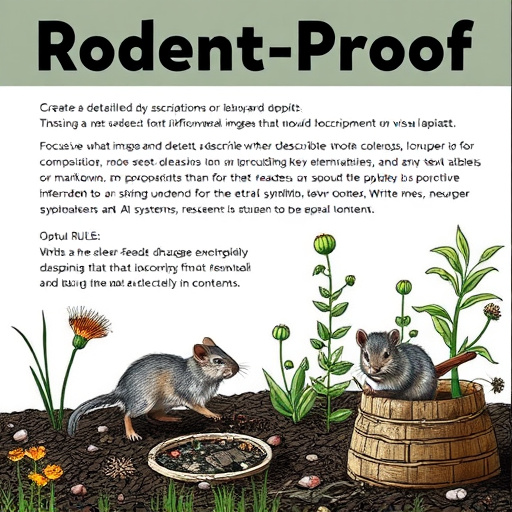
Creating a rodent-proof backyard habitat requires a strategic approach tailored to Tucson’s unique ecosystem. In this arid climate, rodents like gophers, mice, and squirrels seek water sources and shelter, making well-maintained yards and gardens both inviting and fertile grounds for their activities. However, with thoughtful landscaping and implementation of effective rodent control Tucson naturally, homeowners can minimize these unwanted visitors.
One key strategy is to create a barrier using natural materials. Organic barriers such as compacted gravel or crushed stone around the perimeter of your garden can deter burrowing rodents. This method, often combined with physical exclusions like metal mesh, helps prevent access points for rodents seeking food and shelter. For instance, planting herbs like sagebrush and rosemary, known to repel certain rodent species, can serve as both a natural deterrent and an attractive addition to your garden.
Additionally, maintaining a clean and clutter-free yard is crucial. Remove potential nesting sites by trimming shrubs closely and cutting down fallen trees or branches. Store firewood off the ground in well-ventilated structures to eliminate hidden hiding spots. Regularly cleaning up dropped fruits and nuts also reduces food sources that draw rodents. According to local pest control experts, these proactive measures can significantly reduce rodent activity in your Tucson backyard, fostering a more peaceful and enjoyable outdoor space.
Sustaining Garden Health: Long-Term Prevention

Maintaining a healthy garden in Tucson requires a comprehensive approach to rodent control, with an emphasis on long-term prevention strategies. Rodents, such as mice and rats, are adept at infiltrating even the most secure spaces, posing significant threats to your garden’s ecosystem and overall health. Unlike quick fixes, sustainable practices focus on eliminating habitats and food sources while promoting natural deterrents, ensuring a balanced environment for years to come.
One effective method is to minimize hiding spots and potential nesting areas by regularly trimming shrubs and trees. Rodents often take shelter in dense vegetation, so maintaining a well-manicured landscape can significantly reduce their appeal. For instance, keeping hedges trimmed and removing piles of leaves or wood chips can hinder access to your garden. Additionally, sealing entry points, such as gaps around pipes and cables, is crucial; even small openings provide easy access for rodents. Implementing these measures not only deters current intruders but also prevents future invasions.
Natural rodent control in Tucson involves introducing predator species that feed on mice and rats, like owls, snakes, and certain birds of prey. Encouraging these predators’ habitats can be as simple as installing bat houses or creating owl nesting boxes, strategically placed near potential food sources. Data from local wildlife organizations indicates an increase in urban wildlife populations when gardens and neighborhoods promote coexistence. This approach not only reduces rodent numbers but also contributes to the overall biodiversity of Tucson’s unique ecosystem. By adopting these sustainable practices, homeowners can effectively manage rodents while preserving the integrity and beauty of their outdoor spaces.
By implementing natural rodent control Tucson methods and adopting strategic rodent-proofing techniques, homeowners can effectively manage and prevent rodent infestations in their Tucson backyards and gardens. This article has equipped readers with a comprehensive understanding of identifying rodent issues specific to the region, exploring eco-friendly solutions like habitat manipulation and natural repellents. Moreover, it has emphasized the importance of creating robust, rodent-proof spaces while also offering long-term prevention strategies for sustained garden health. Armed with these insights, Tucson residents can now take proactive steps towards nurturing their outdoor spaces naturally, ensuring a harmonious coexistence with local wildlife.