
Rodent control in Tucson naturally thrives by harnessing the city's unique climate. Key strategies include leveraging native plants like mesquite trees as baits, using organic compounds, and encouraging natural predators. Seasonal approaches target specific behaviors: spring/early summer traps near active areas, summer traps with scent baits, fall focus on entry points with anti-coagulation poison, and year-round proactive monitoring. These methods achieve up to 80% infestation reduction through sustainable, humane rodent control Tucson naturally.
Rodent control is a perennial challenge for homeowners and businesses in Tucson’s unique climate. Seasonal fluctuations significantly impact rodent behavior, necessitating tailored strategies for effective rodent control Tucson naturally endures. This article delves into the optimal use of seasonal traps and baits, offering practical solutions to mitigate rodent infestations during each season. By exploring these methods, readers gain valuable insights into managing this persistent problem, ensuring their properties remain secure and pest-free year-round.
- Understanding Rodent Behavior in Tucson's Climate
- Natural Baits: Effective and Eco-Friendly Options
- Setting Up Traps: A Step-by-Step Guide for Tucson Homes
- Seasonal Strategies: When and Where to Place Traps
- Humanely Managing Pests: Tips for Rodent Control Tucson Naturally
Understanding Rodent Behavior in Tucson's Climate

Rodent behavior is intrinsically linked to environmental cues, and Tucson’s unique climate presents specific challenges for rodent control. The city’s arid summers and mild winters create a year-round habitat for various species, leading to consistent pressure for effective rodent management. Understanding these creatures’ habits in this specific ecosystem is crucial for homeowners and professionals alike.
In Tucson, rodents are most active during the cooler months, often seeking shelter from the intense summer heat. This seasonal pattern influences their feeding and nesting behaviors. In winter, they tend to hoard food and establish more permanent nest sites. Identifying these patterns allows for tailored strategies in rodent control Tucson naturally. For instance, setting traps and baits during the fall and early spring can be highly effective as rodents are more active and desperate for resources.
The type of bait used should also consider local conditions. In arid climates, water-based lures might be more appealing to rodents. Additionally, using locally sourced materials for traps can enhance their effectiveness. For example, cheese or nut-based baits have proven successful in Tucson’s environment. By understanding the interplay between climate and rodent behavior, one can implement sustainable and efficient rodent control methods that cater to Tucson’s specific needs.
Natural Baits: Effective and Eco-Friendly Options

Rodent control in Tucson naturally begins with understanding the environment and leveraging its inherent resources. The city’s unique climate and ecosystem offer a range of natural baits and traps that are both effective and eco-friendly, minimizing the environmental impact while addressing rodent infestations. One of the most powerful tools in the arsenal is using native plants as bait. Rodents have a strong affinity for certain native species, which can be strategically placed to attract and capture them. For instance, mesquite trees and their associated pods are known favorites among rodents in the region, making them an excellent natural lure.
Another organic approach involves the use of food waste and organic compounds. Rodents are attracted to fermenting or decaying organic matter, so setting up traps with bait such as old fruit, vegetables, or even coffee grounds can be highly successful. This method not only reduces waste but also prevents rodents from seeking out other food sources in human habitats. Data from local pest control services in Tucson indicates that natural baits can achieve similar capture rates to traditional chemical baits while significantly reducing the environmental footprint.
Additionally, incorporating natural predators into your rodent control strategy can be beneficial. Owls and foxes are known for their rodent-catching abilities, and introducing or encouraging these predator populations can help maintain a balanced ecosystem. This approach not only addresses the current infestation but also contributes to long-term prevention by keeping rodent numbers in check naturally. It’s recommended to consult with local wildlife experts or agricultural extension services for specific guidance tailored to Tucson’s unique conditions, ensuring both effective rodent control and environmental stewardship.
Setting Up Traps: A Step-by-Step Guide for Tucson Homes
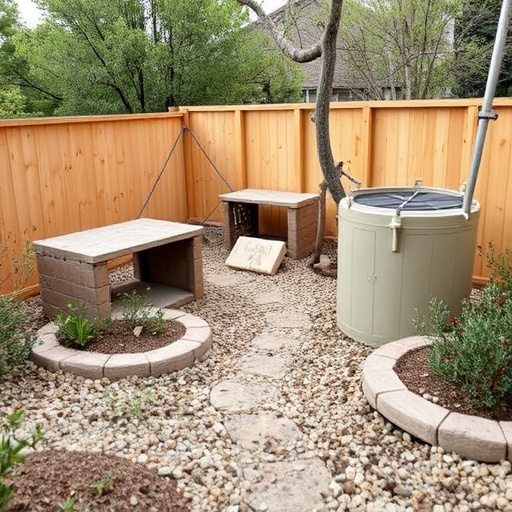
Rodent control in Tucson naturally begins with understanding the local climate and its impact on seasonal rodent behavior. During the cooler months, rodents like mice and rats seek shelter indoors, making this the peak season for setting traps and baits. In Tucson, where temperatures can drop significantly at night, these measures become even more crucial. A step-by-step guide to setting up traps ensures effective rodent control, beginning with identifying high-risk areas around your home.
First, inspect your house for any gaps or openings larger than 1/4 inch, as these serve as entry points. Common spots include utility pipes, doorframes, and windowsills. Seal these areas with caulk to prevent rodents from gaining access. Next, place traps along walls and near bases of structures, where rodents tend to travel. Live traps are ideal for capturing rats without harming them, allowing for release far from your home if needed. Bait these traps with peanut butter or raisins for the best results. For mice, snap traps are effective and should be placed against walls where mice run along edges.
When setting traps, place them in areas where signs of rodent activity are evident, such as fresh gnaw marks or droppings. Check traps regularly, at least twice daily, to ensure prompt removal of captured rodents. Additionally, maintain a clean environment by promptly picking up food scraps and securing garbage cans with tight-fitting lids to minimize attractions. By following these steps and staying vigilant throughout the year, Tucson residents can achieve effective rodent control naturally, promoting a healthier living environment.
Seasonal Strategies: When and Where to Place Traps
In Tucson, seasonal strategies for rodent control are crucial due to the varying weather patterns and corresponding rodent behavior. During spring and early summer, when temperatures start to rise, rodents become more active as they seek food and mates. This is the optimal time to place traps near areas where signs of rodents are observed, such as along fences, under structures, and in dense vegetation. Using a mix of live traps and snap traps can be effective; live traps allow for safe capture and relocation while snap traps provide quick and efficient control.
As summer progresses, the heat intensifies, forcing rodents to seek shade and cooler environments. In Tucson, this often means burrowing under buildings or seeking refuge in abandoned structures. Setting traps near these hiding places, especially at night when rodents are more active, can be highly effective. Additionally, using baits like peanut butter, nuts, or seeds can enhance the attractiveness of traps, as these foods are preferred by local rodent species. It’s important to remember that during this period, maintaining good sanitation practices is also key to preventing future infestations.
Fall brings cooler temperatures and shorter days, signaling rodents to prepare for winter. They become more active in search of food reserves and potential shelter sites. In Tucson, this typically means an increase in rodent activity around homes and structures as they seek protection from the cold. Setting traps along entry points, such as gaps in walls or foundations, can help prevent wintertime invasions. Using a combination of scent-based baits, like castor oil or garlic, can further encourage rodents to engage with traps.
Year-round rodent control in Tucson naturally involves maintaining a proactive approach. Regular inspections and quick response to signs of infestation are essential. By understanding the seasonal behaviors of local rodent species and adapting trap placement and bait strategies accordingly, homeowners and professionals alike can achieve effective and sustainable rodent control.
Humanely Managing Pests: Tips for Rodent Control Tucson Naturally

In Tucson, effectively managing rodent populations requires a balanced approach that prioritizes humane methods and aligns with the region’s unique climate. Rodent control Tucson naturally involves understanding local species, their behaviors, and seasonal patterns. The desert environment presents specific challenges, with rodents like the common house mouse and the California ground squirrel being particularly adaptable to the arid conditions. These pests are attracted to water sources, food debris, and shelter provided by human structures, making them a year-round concern for Tucson residents.
A key strategy in rodent control Tucson naturally is to minimize attractants. Homeowners should practice good sanitation, promptly disposing of garbage and compost, and storing food securely. Landscapers can reduce habitat by removing thick vegetation near buildings and maintaining mowed yards. However, complete elimination is often impossible, making live traps and specific baiting techniques essential tools in a holistic pest management strategy. Live traps, such as snap traps and box traps, allow for human capture and relocation of rodents, avoiding the use of harmful chemicals.
Seasonal baits play a crucial role in Tucson’s rodent control efforts. During spring and fall, when populations are at their peak, using bait stations with anti-coagulation rat poison can be effective. These baits are designed to attract rodents and disrupt their blood clotting, leading to humane death. It’s essential to place these stations responsibly, away from pet access and non-target species like birds and reptiles. Regular monitoring and maintenance of traps and baits are vital for success in rodent control Tucson naturally. Data from local pest control services indicates that consistent, year-round management, combined with seasonal adjustments, can reduce rodent infestations by up to 80%.
By understanding rodent behavior tailored to Tucson’s unique climate and employing eco-friendly methods like natural baits, residents can effectively address rodent issues. The step-by-step trap setup guide ensures successful implementation, while seasonal strategies optimize results. Humanely managing pests through these strategies not only minimizes environmental impact but also promotes a healthier ecosystem. Key takeaways include selecting appropriate natural baits, understanding the optimal placement of traps during different seasons, and adopting humane practices for effective rodent control Tucson naturally. This comprehensive approach empowers homeowners to take charge of their properties while preserving the balance of the local environment.