
Understanding Rodent Control Tucson
Rodent control in Tucson, Arizona, is a multifaceted approach to managing rodent populations, which includes both preventative measures and responsive actions when infestations occur. This urban pest management strategy is critical for maintaining public health, safeguarding food supplies, and protecting infrastructure from damage caused by these creatures.
Historically, Tucson’s diverse ecosystem, characterized by its arid climate, has supported a variety of rodent species. As the city expanded, human-rodent interactions increased, necessitating the development of effective rodent control programs. These programs integrate ecological knowledge, public health concerns, and urban development plans to address both current and emerging challenges associated with rodent infestations.
The core components of rodent control in Tucson involve habitat modification, population reduction through trapping or baiting, monitoring for early detection of infestations, and community education on best practices for coexisting with rodents. Understanding the behavior and biology of local rodent species, such as pack rats (Peromyscus spp.), deer mice (Perognathus spp.), and house mice (Mus musculus), is essential for designing effective control measures.
Global Impact and Trends
The concept of rodent control extends beyond Tucson’s city limits, with global implications. Urban centers worldwide face similar challenges in managing rodent populations due to their adaptability and the proximity of human activities. Key trends shaping rodent control strategies globally include urbanization, climate change, and the spread of zoonotic diseases.
Urban areas provide abundant resources for rodents, making them more populous and increasing the risk of disease transmission. Climate change alters habitat ranges, potentially bringing new species into contact with human populations. The global spread of diseases like hantavirus, Lyme disease, and salmonellosis underscores the importance of effective rodent control measures.
In different regions, the approach to rodent control varies based on local rodent species, environmental conditions, and cultural attitudes towards pest management. In some areas, biological control using natural predators or pathogens is explored as a sustainable alternative to chemical control methods.
Economic Considerations
The economic aspects of rodent control in Tucson are significant, with market dynamics influenced by the demand for effective pest management solutions and the investment patterns reflecting technological advancements and regulatory requirements. Rodent control services contribute to the local economy, employing a workforce skilled in entomology and pest management.
Investment in rodent control is not only a public health necessity but also a protection of economic assets, including agricultural produce, stored grains, and infrastructure. The cost-benefit analysis of implementing preventative measures against rodent infestations often shows long-term savings by avoiding the damage and contamination they can cause.
Furthermore, the role of rodent control in economic systems is to maintain productivity and protect resources, which are essential for both local businesses and the broader economy. The integration of economic analysis into pest management strategies ensures that interventions are cost-effective and targeted at areas of highest risk and impact.
Technological Advancements
Technology plays a crucial role in modern rodent control practices, with advancements providing more humane, efficient, and environmentally friendly solutions. Innovations include the development of non-lethal traps that humanely capture rodents for relocation, improved bait stations that minimize exposure to non-target species, and the use of drones for surveillance and monitoring.
The integration of information technology allows for real-time data collection and analysis, enabling more precise targeting of interventions. Genetic analyses of rodent populations can inform control strategies by identifying the most effective management practices for specific species or genotypes.
Looking to the future, technological advancements may include genetic engineering to develop resistance against rodent pests or biotechnological solutions that suppress their populations without causing harm to the environment. The potential of artificial intelligence and machine learning in predicting rodent activity patterns is an area of growing interest.
Policy and Regulation
The governance of rodent control in Tucson is guided by a suite of policies, regulations, and legislative frameworks. These ensure that practices are both effective and ethical, with minimal environmental impact. Regulations dictate the types of baits and traps that can be used, licensing requirements for pest control operators, and protocols for handling captured or euthanized rodents.
Local ordinances may also dictate the maintenance of sanitary conditions to prevent attracting rodents, as well as the reporting and response protocols in the event of an infestation. These policies are often developed in consultation with public health officials, environmental experts, and community stakeholders to balance the need for pest control with conservation efforts and ethical considerations.
The legal framework also addresses the importation and movement of rodent species that could become invasive, reflecting a proactive approach to preventing new infestations. Compliance with these regulations is essential for maintaining public health and safety, as well as protecting Tucson’s biodiversity and urban infrastructure.
Challenges and Criticisms
Rodent control in Tucson, like any pest management strategy, faces challenges and criticisms. These include concerns about the use of rodenticides, which can have unintended consequences on non-target species, including pets and wildlife. The emergence of resistant rodent populations complicates the selection of effective control measures, necessitating a more nuanced approach to management.
Critics argue that reliance on lethal control methods may be short-sighted, as they do not address the underlying causes of infestations, such as food sources and habitat conditions. Community resistance can also impede efforts to implement comprehensive rodent control programs, highlighting the importance of engagement and education in achieving successful outcomes.
To overcome these challenges, a multi-faceted approach is required, combining habitat modification, population reduction, community involvement, and technological innovation. This holistic strategy ensures that rodent control measures are sustainable, humane, and effective over the long term.
Case Study: Tucson’s Pack Rat Dilemma
Tucson’s native pack rats (Peromyscus spp.) present a unique challenge in urban environments due to their role as both pests and natural dispersers of seeds, which are vital for maintaining plant biodiversity. The dilemma lies in balancing the need to control populations that damage property with the ecological importance of these animals as part of the Sonoran Desert’s ecosystem.
Efforts to manage pack rat populations have included non-lethal methods such as exclusion strategies (sealing entry points), habitat modification (removing food sources), and live trapping for relocation. Community education campaigns inform residents about the importance of coexisting with pack rats and provide guidance on preventive measures.
The integration of these conservation-minded approaches with pest control practices reflects a forward-thinking, sustainable model for managing rodent populations in urban settings. This case study demonstrates the complexity of rodent control issues and the need for collaborative, science-based solutions.
Conclusion
Rodent control in Tucson, as part of a global perspective on urban pest management, is a multifaceted endeavor that requires an understanding of ecological, economic, and social factors. By embracing innovative technologies, adhering to strict regulations, and engaging with the community, Tucson can effectively manage its rodent populations while preserving biodiversity and public health. The future of rodent control will continue to evolve with advancements in technology and science, ensuring that Tucson remains a resilient and thriving urban environment.
Rodents in Tucson's warm climate require year-round control, focusing on strategic trap placement near water and plant life. Live, snap, and box traps offer different methods aligned with property conditions and ethical preferences. Place multiple traps along walls, under debris, and near food sources in a grid pattern, avoiding inaccessible areas and keeping them out of reach. Regularly check and maintain traps for optimal results while ensuring safety and humane handling of captured rodents.
Tucson residents often face rodent infestations, requiring effective rodent control methods. Understanding local rodent behavior and choosing the right traps is essential for successful management. This guide navigates the process of selecting the best rodent traps suited to Tucson’s environment, offering strategic placement tips for maximum effectiveness. Learn safety precautions and proper maintenance techniques for trapped rodents to ensure a clean and healthy home. Discover how to tackle rodent problems in Tucson with these expert recommendations for effective rodent control.
Understanding Rodent Behavior in Tucson's Environment
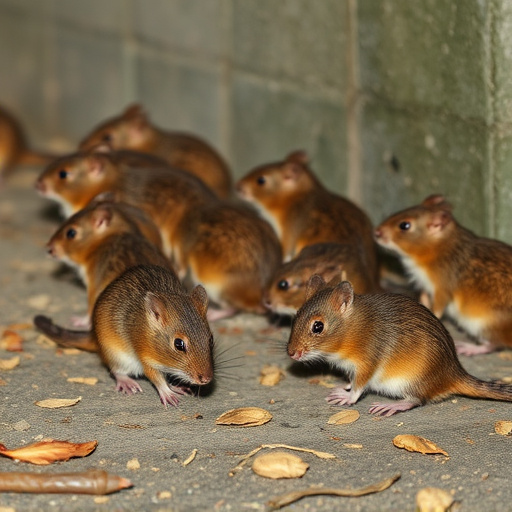
Rodents, such as mice and rats, are common pests in Tucson due to its year-round warm climate. Understanding their behavior is crucial for effective rodent control Tucson residents often require. These creatures are primarily nocturnal, seeking shelter during the day and becoming active at night when they forage for food. They prefer areas with easy access to water sources and plentiful food supplies. In Tucson’s environment, rodents might hide in attics, walls, or under structures, especially if there’s a nearby water source like a drip or a green space with abundant plant life.
Knowing their habits can help when placing traps. Place them along common rodent paths, near potential entry points into homes and buildings, and in areas where signs of activity are evident. In terms of rodent control Tucson’s diverse landscape offers unique challenges, so being strategic and persistent is key to successful trap placement.
Types of Rodent Traps: Choosing the Right Fit

When it comes to choosing the right rodent traps for your Tucson home or property, understanding the various types available is essential for effective rodent control Tucson. There are several options on the market, each designed to address specific needs and preferences. Live traps are humanely designed to capture rodents alive, allowing you to release them away from your property if desired. These are ideal for areas where you want to avoid using chemicals or killing rodents on-site. Snap traps, on the other hand, are classic and reliable, featuring a trigger mechanism that snaps shut when the rodent steps on the lever. They’re convenient and effective but may require more maintenance as they don’t offer live capture options.
For areas with hard-to-reach spaces or complex layouts, box traps can be a strategic choice. These enclosed traps lure rodents into a small space where they become trapped, providing an option for capturing them without causing distress to nearby pets or non-target animals. Consider the behavior and habitat of the rodents infesting your Tucson property. Different traps cater to various settings, ensuring you select the most suitable solution for effective rodent control Tucson while adhering to ethical practices.
Strategically Placing Traps for Maximum Effectiveness

When setting traps, location is key for effective rodent control in Tucson. Place them in areas where rodents are most active, such as along walls, under debris, or near food sources. Look for signs like gnaw marks, droppings, or trails to identify high-traffic zones. For best results, set multiple traps in a grid pattern covering potential entry points and paths.
Avoid placing traps in inaccessible areas or behind objects that could obstruct them. Keep them out of reach of children and pets to ensure safety. Regularly check and empty the traps, adjusting your strategy based on catch rates and new activity patterns observed. This strategic approach will maximize the effectiveness of your rodent control efforts in Tucson.
Safety Precautions and Maintaining Trapped Rodents

When dealing with trapped rodents, safety is paramount. Always wear protective gloves and a face mask to avoid direct contact with the animal, as they can carry diseases. Keep children and pets away from the trap area to prevent accidents. If you plan to release the rodent, do so in a remote, safe location far from residential areas, ensuring it won’t return.
Regular maintenance of the traps is crucial for effective rodent control Tucson. Check traps daily to prevent any suffering and remove dead or injured animals promptly. Keep traps clean by replacing layers and baits as needed. Remember, humanely handling captured rodents is not only ethical but also ensures your family’s safety and prevents potential damage caused by these pests.
When it comes to rodent control in Tucson, understanding local behavior, selecting the appropriate trap type, and strategic placement are key. By heeding safety precautions and properly maintaining traps, you can effectively manage rodent populations while ensuring the well-being of both your family and pets. Remember, professional assistance is always an option if needed, but with the right knowledge, DIY methods can significantly contribute to a rodents-free Tucson home or property.