
Skip to content

Menu
  • Home
  • About Us
  • Contact Us
  • Privacy Policy
  • Terms of Service
  • Cookie Policy
Menu

Understanding Rodent Control Tucson

Rodent control in Tucson, Arizona, is a multifaceted approach to managing rodent populations, which includes both preventative measures and responsive actions when infestations occur. This urban pest management strategy is critical for maintaining public health, safeguarding food supplies, and protecting infrastructure from damage caused by these creatures.

Historically, Tucson’s diverse ecosystem, characterized by its arid climate, has supported a variety of rodent species. As the city expanded, human-rodent interactions increased, necessitating the development of effective rodent control programs. These programs integrate ecological knowledge, public health concerns, and urban development plans to address both current and emerging challenges associated with rodent infestations.

The core components of rodent control in Tucson involve habitat modification, population reduction through trapping or baiting, monitoring for early detection of infestations, and community education on best practices for coexisting with rodents. Understanding the behavior and biology of local rodent species, such as pack rats (Peromyscus spp.), deer mice (Perognathus spp.), and house mice (Mus musculus), is essential for designing effective control measures.


Global Impact and Trends

The concept of rodent control extends beyond Tucson’s city limits, with global implications. Urban centers worldwide face similar challenges in managing rodent populations due to their adaptability and the proximity of human activities. Key trends shaping rodent control strategies globally include urbanization, climate change, and the spread of zoonotic diseases.

Urban areas provide abundant resources for rodents, making them more populous and increasing the risk of disease transmission. Climate change alters habitat ranges, potentially bringing new species into contact with human populations. The global spread of diseases like hantavirus, Lyme disease, and salmonellosis underscores the importance of effective rodent control measures.

In different regions, the approach to rodent control varies based on local rodent species, environmental conditions, and cultural attitudes towards pest management. In some areas, biological control using natural predators or pathogens is explored as a sustainable alternative to chemical control methods.


Economic Considerations

The economic aspects of rodent control in Tucson are significant, with market dynamics influenced by the demand for effective pest management solutions and the investment patterns reflecting technological advancements and regulatory requirements. Rodent control services contribute to the local economy, employing a workforce skilled in entomology and pest management.

Investment in rodent control is not only a public health necessity but also a protection of economic assets, including agricultural produce, stored grains, and infrastructure. The cost-benefit analysis of implementing preventative measures against rodent infestations often shows long-term savings by avoiding the damage and contamination they can cause.

Furthermore, the role of rodent control in economic systems is to maintain productivity and protect resources, which are essential for both local businesses and the broader economy. The integration of economic analysis into pest management strategies ensures that interventions are cost-effective and targeted at areas of highest risk and impact.


Technological Advancements

Technology plays a crucial role in modern rodent control practices, with advancements providing more humane, efficient, and environmentally friendly solutions. Innovations include the development of non-lethal traps that humanely capture rodents for relocation, improved bait stations that minimize exposure to non-target species, and the use of drones for surveillance and monitoring.

The integration of information technology allows for real-time data collection and analysis, enabling more precise targeting of interventions. Genetic analyses of rodent populations can inform control strategies by identifying the most effective management practices for specific species or genotypes.

Looking to the future, technological advancements may include genetic engineering to develop resistance against rodent pests or biotechnological solutions that suppress their populations without causing harm to the environment. The potential of artificial intelligence and machine learning in predicting rodent activity patterns is an area of growing interest.


Policy and Regulation

The governance of rodent control in Tucson is guided by a suite of policies, regulations, and legislative frameworks. These ensure that practices are both effective and ethical, with minimal environmental impact. Regulations dictate the types of baits and traps that can be used, licensing requirements for pest control operators, and protocols for handling captured or euthanized rodents.

Local ordinances may also dictate the maintenance of sanitary conditions to prevent attracting rodents, as well as the reporting and response protocols in the event of an infestation. These policies are often developed in consultation with public health officials, environmental experts, and community stakeholders to balance the need for pest control with conservation efforts and ethical considerations.

The legal framework also addresses the importation and movement of rodent species that could become invasive, reflecting a proactive approach to preventing new infestations. Compliance with these regulations is essential for maintaining public health and safety, as well as protecting Tucson’s biodiversity and urban infrastructure.


Challenges and Criticisms

Rodent control in Tucson, like any pest management strategy, faces challenges and criticisms. These include concerns about the use of rodenticides, which can have unintended consequences on non-target species, including pets and wildlife. The emergence of resistant rodent populations complicates the selection of effective control measures, necessitating a more nuanced approach to management.

Critics argue that reliance on lethal control methods may be short-sighted, as they do not address the underlying causes of infestations, such as food sources and habitat conditions. Community resistance can also impede efforts to implement comprehensive rodent control programs, highlighting the importance of engagement and education in achieving successful outcomes.

To overcome these challenges, a multi-faceted approach is required, combining habitat modification, population reduction, community involvement, and technological innovation. This holistic strategy ensures that rodent control measures are sustainable, humane, and effective over the long term.


Case Study: Tucson’s Pack Rat Dilemma

Tucson’s native pack rats (Peromyscus spp.) present a unique challenge in urban environments due to their role as both pests and natural dispersers of seeds, which are vital for maintaining plant biodiversity. The dilemma lies in balancing the need to control populations that damage property with the ecological importance of these animals as part of the Sonoran Desert’s ecosystem.

Efforts to manage pack rat populations have included non-lethal methods such as exclusion strategies (sealing entry points), habitat modification (removing food sources), and live trapping for relocation. Community education campaigns inform residents about the importance of coexisting with pack rats and provide guidance on preventive measures.

The integration of these conservation-minded approaches with pest control practices reflects a forward-thinking, sustainable model for managing rodent populations in urban settings. This case study demonstrates the complexity of rodent control issues and the need for collaborative, science-based solutions.


Conclusion

Rodent control in Tucson, as part of a global perspective on urban pest management, is a multifaceted endeavor that requires an understanding of ecological, economic, and social factors. By embracing innovative technologies, adhering to strict regulations, and engaging with the community, Tucson can effectively manage its rodent populations while preserving biodiversity and public health. The future of rodent control will continue to evolve with advancements in technology and science, ensuring that Tucson remains a resilient and thriving urban environment.

Mastering Rodent Control & Prevention in Tucson Homes

Mastering Rodent Control & Prevention in Tucson Homes

Posted on June 13, 2026 by rodent control Tucson

Rodent control in Tucson requires a multifaceted approach. Key strategies include sealing entry points, maintaining cleanliness, introducing natural predators, using specific scents and sounds as repellents, and regular inspections. Seasonal changes and climate influence rodent behavior. Effective long-term methods involve habitat modification, early detection, and humane techniques. Damage repair focuses on sanitization, replacing damaged materials, and sealing gaps. Community collaboration reduces infestation rates significantly. Rodent control Tucson naturally emphasizes non-toxic, environmentally friendly practices for a safer urban environment.

Rodent damage is a significant concern for many Tucson homeowners, posing both health risks and structural hazards. Infestations can lead to extensive repairs, from damaged insulation to contaminated food sources. However, effective rodent control Tucson naturally offers a sustainable solution. This article provides an in-depth guide to managing and preventing rodent issues, leveraging natural methods, and expert advice tailored to the unique challenges faced by Tucson residents. By implementing these strategies, you’ll gain the upper hand against rodents, ensuring a safer, healthier living environment.

  • Understanding Rodent Behavior in Tucson's Climate
  • Natural Solutions for Rodent Control Tucson Homes
  • Effective Prevention Strategies for Long-Term Protection
  • Repairing Damage and Restoring Your Space Safely

Understanding Rodent Behavior in Tucson's Climate

rodents

Understanding rodent behavior is a critical component of effective rodent damage repair and prevention in Tucson’s unique climate. Rodents, such as mice and rats, are highly adaptable creatures with an innate ability to find food and shelter. In Tucson, where temperatures can fluctuate between scorching summers and mild winters, these pests seek refuge in structures that offer consistency and access to resources. Our arid environment provides limited natural food sources during the dry seasons, prompting rodents to enter homes and buildings in search of sustenance.

The behavior patterns of rodents in Tucson are influenced by several factors. They are particularly attracted to areas with abundant water, which can be scarce in the region’s desert terrain. Additionally, structures with exposed entry points, such as cracks in foundations or gaps around pipes, serve as ideal points of access. Rodents are also driven by seasonal changes; they may seek shelter indoors during cold snaps or when rainfall disrupts their outdoor food sources. For instance, a study conducted by the University of Arizona found that rodent activity increases significantly after monsoons, as the sudden influx of water creates new habitats and food opportunities.

To combat rodent infestations effectively, Tucson residents should adopt a multi-faceted approach centered on prevention and natural control methods. Implementing robust physical barriers, such as sealing entry points with steel wool or caulk, is essential to deterring rodents from entering homes. Maintaining a clean and clutter-free environment, particularly in areas adjacent to potential water sources, can significantly reduce rodent attraction. Additionally, introducing natural predators like cats or installing specific scents and sounds that repel rodents can provide valuable assistance in rodent control Tucson naturally.

Natural Solutions for Rodent Control Tucson Homes
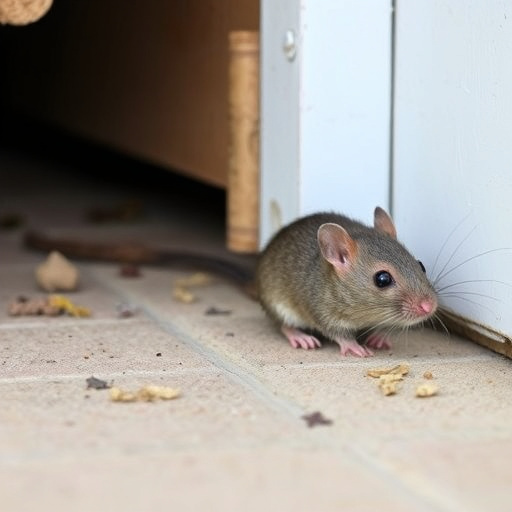
rodents

Tucson homeowners often face challenges with rodent control naturally due to the region’s arid climate attracting various pests. However, there are effective, eco-friendly strategies to prevent and manage these intrusions. One of the most powerful tools in your arsenal is understanding their behavior and preferences. Rodents are attracted to food sources, shelter, and water; by removing these incentives, you can significantly deter them. For instance, securing outdoor trash cans with tight-fitting lids and regularly cleaning areas where pet food or bird feeders are stored can go a long way toward reducing rodent control Tucson naturally efforts.

Natural solutions for rodent control in Tucson homes involve employing safe, non-toxic methods that target specific behaviors. Setting up physical barriers like metal mesh screens around entry points can prevent rodents from accessing buildings. Additionally, using natural repellents such as peppermint oil or cinnamon can be effective; these scents have been shown to deter rodents due to their strong, unpleasant odors. For example, a study by the University of California found that peppermint oil was highly successful in repelling house mice. Planting aromatic herbs like lavender and rosemary around the perimeter of your property also serves as an organic, ongoing rodent deterrent.

Another powerful strategy is habitat modification, which involves creating an environment less inviting to rodents. Maintaining a clean yard with mowed grass and removing brush or debris can reduce hiding spots and food sources. Trimming trees and shrubs away from exterior walls further limits access points. By combining these natural solutions for rodent control in Tucson homes, you can create a comprehensive, non-toxic approach that is both effective and environmentally friendly. Regular inspections and prompt action against any signs of infestation are key to successful long-term prevention.

Effective Prevention Strategies for Long-Term Protection

rodents

Rodent control in Tucson is a multifaceted challenge due to the region’s unique climate and ecosystem. To achieve long-term protection against these pests, homeowners and property managers must adopt comprehensive strategies that combine prevention, early detection, and humane methods. Preventative measures are key; sealing entry points, maintaining proper sanitation, and using natural deterrents can significantly reduce rodent presence. For instance, keeping gutters clean and installing weatherstripping around doors and windows can deter rodents from seeking shelter in homes.

One effective prevention strategy involves the strategic placement of natural repellents like peppermint oil, cloves, and cayenne pepper. These substances have been shown to discourage rodents through their strong aromas, offering a chemical-free alternative to traditional rodent control Tucson methods. Regular inspections are also crucial; checking for signs of infestation at least once monthly enables early detection, allowing for swift action to prevent colony growth. Data suggests that consistent prevention efforts can lead to up to 70% reduction in rodent activity over a year.

Beyond individual measures, community-wide collaboration is vital. Implementing uniform prevention strategies across Tucson neighborhoods can create an inhospitable environment for rodents, disrupting their food sources and habitats. Working together, residents can enhance the effectiveness of natural deterrents and promote a healthier, pest-free urban landscape. This holistic approach not only benefits individual properties but contributes to a more sustainable and livable Tucson.

Repairing Damage and Restoring Your Space Safely

rodents

Rodent damage can leave homes and businesses in Tucson with significant structural and cosmetic issues. Effective repair and restoration require a comprehensive approach to not only address the visible signs of infestation but also implement long-term prevention strategies. The first step is to assess the extent of the damage, which may include chewed wiring, insulation disintegration, or damaged drywall. Professional rodent control in Tucson naturally focuses on non-toxic methods to ensure the safety of residents and the environment while effectively eradicating pests.

Repairs begin with sanitizing the affected areas to prevent further contamination from rodent droppings and urine, which can cause respiratory issues. Once sanitized, damaged materials must be replaced or repaired. For instance, if insulation is severely compromised, it’s best to remove and replace it entirely rather than trying to clean and restore it. Similarly, drywall repairs should be meticulously executed to avoid creating new entry points for rodents. It’s crucial to seal any gaps or cracks around windows, doors, and utility pipes using appropriate sealing materials to prevent future infestations.

Restoring your space safely involves incorporating preventive measures into the repair process. This includes installing traps or using natural deterrents like peppermint oil or cedar shavings in areas where rodents are likely to enter. Regular inspections and maintenance are key to sustaining a rodent-free environment; quarterly checks can help identify early signs of infestation, allowing for swift action. By combining thorough repairs with proactive prevention strategies, Tucson residents and businesses can enjoy a safe, pest-free living or working space, enhancing the overall quality of life in this vibrant community.

By understanding rodent behavior in Tucson’s unique climate and employing natural solutions for rodent control Tucson homes, residents can effectively prevent and mitigate damage. Key insights include leveraging natural repellents, maintaining cleanliness, sealing entry points, and using pet-safe traps. For long-term protection, implementing a comprehensive prevention strategy is crucial, focusing on minimalism, regular inspections, and prompt repairs. When damage does occur, safe and thorough repair methods ensure the restoration of your space without introducing harmful chemicals. This holistic approach to rodent control Tucson naturally not only protects homes but also contributes to a healthier environment and safer living conditions.


Recent Posts

  • Expert Emergency Roof Repair Tucson: Quality Materials, Top Contractors
  • Guaranteed Protection: Oro Valley Roofing Warranties Explained
  • See What’s New Across The Mynewsgurus Network
  • Optimizing Oro Valley Homes with Expert Roof Ventilation Solutions
  • Recognize Need: Signs You Need a New Garage Door Opener

Recent Comments

No comments to show.

Archives

  • August 2026
  • July 2026
  • June 2026
  • May 2026
  • April 2026
  • March 2026
  • February 2026
  • January 2026
  • December 2025
  • November 2025
  • October 2025
  • September 2025
  • August 2025
  • July 2025
  • June 2025
  • May 2025
  • April 2025
  • March 2025
  • February 2025
  • January 2025
  • December 2024
  • November 2024
  • October 2024
  • September 2024

Categories

  • Affordable Roofing Oro Valley
  • affordable roofing tucson
  • Appliance Repair Austin
  • Arizona Travel Tips
  • Austin Real Estate
  • Austin Travel Tips
  • Austin TX
  • average lifespan of a residential garage door opener
  • benefits of preventative garage door maintenance for homeowners
  • best roofers tucson
  • Best Roofing Contractors in Oro Valley
  • best time of year to schedule garage door maintenance in AZ
  • Birding Southern Arizona
  • Choosing Roofing Materials
  • choosing the right garage door for energy efficiency in Arizona
  • commercial roofing tucson
  • common causes of broken garage door tracks and rollers
  • difference between torsion and extension springs explained
  • emergency garage door repair near me in Tucson AZ
  • Emergency Roof Repair Oro Valley
  • emergency roof repair tucson
  • Energy-Efficient Roofing Options
  • Flat Roof Services Oro Valley
  • Foam Roofing Oro Valley
  • Garage Door Repair
  • garage door safety tips for families with children
  • GE Appliance Repair Austin
  • Hail Damage Roof Inspection Oro Valley
  • Handyman Tips
  • Home Renovations
  • Home Repair And Maintenance
  • Home Repairs
  • Home Security
  • how dust and heat affect garage doors in the desert climate
  • how much does garage door spring replacement cost in Tucson
  • how to choose between single and double garage door springs
  • how to lubricate garage door rollers and hinges safely
  • Insurance Claims for Roof Damage Oro Valley
  • Kitchen Renovations
  • Lawn Care And Landscaping
  • LG Appliance Repair Austin
  • Licensed Roofers Oro Valley
  • licensed roofers tucson
  • Major Appliances
  • Metal Roofing Oro Valley
  • New Mexico Travel Tips
  • Pest Control Services
  • pest control services Catalina Foothills
  • pest control services Marana
  • pest control services Oro Valley
  • pest control services Tucson
  • pest control services Vail AZ
  • Pest Control Tucson
  • quick garage door repair in Tucson
  • Refrigerator Repair
  • Residential Roofing Oro Valley
  • residential roofing tucson
  • roach exterminator Catalina Foothills
  • roach exterminator Marana
  • roach exterminator Oro Valley
  • roach exterminator Tucson
  • roach exterminator Vail AZ
  • rodent control Catalina Foothills
  • rodent control Marana
  • rodent control Oro Valley
  • rodent control Tucson
  • rodent control Vail AZ
  • Roof Inspection Services Oro Valley
  • roof inspection tucson
  • Roof Installation Process Oro Valley
  • Roof Leak Detection Oro Valley
  • roof maintenance tucson
  • Roof Repair in Oro Valley
  • Roof Repair Tucson
  • roof repair tucson arizona
  • Roof Replacement Oro Valley
  • roof replacement tucson
  • Roof Ventilation Solutions Oro Valley
  • Roofing
  • roofing contractors tucson
  • Roofing Estimates and Quotes Oro Valley
  • Roofing Oro Valley
  • roofing services tucson az
  • Roofing Warranties Oro Valley
  • RV Travel Tips
  • RVing for Beginners
  • scorpion control Catalina Foothills
  • scorpion control Marana
  • scorpion control Oro Valley
  • scorpion control Tucson
  • scorpion control Vail AZ
  • Shingle Roofing Oro Valley
  • signs you need a new garage door opener
  • Solar Energy
  • Solar Power
  • Solar-Ready Roofing Systems Oro Valley
  • sonoita az wine
  • sonoita az wine tasting
  • sonoita vineyards
  • sonoita wine country
  • sonoita wine tasting
  • sonoita wine tasting tours
  • sonoita wine tour shuttle
  • sonoita wine tours
  • sonoita wine trail
  • southern arizona wine tours
  • southern arizona wineries
  • southern arizona winery
  • southern az wineries
  • Storm Damage Roof Repair Oro Valley
  • termite control Catalina Foothills
  • termite control Marana
  • termite control Oro Valley
  • termite control Tucson
  • termite control Vail AZ
  • Texas Travel Tips
  • Tile Roofing Oro Valley
  • tips for avoiding surprise garage door repair costs
  • trusted garage door service in Tucson
  • Tucson AZ
  • Tucson Garage Door Repair
  • Tucson Garage Doors
  • Tucson Pest Control
  • Tucson Real Estate
  • tucson roof leak repair
  • tucson roofing companies
  • Tucson Roofing Contractors
  • tucson roofing cost
  • Tucson Travel Tips
  • vineyards in sonoita
  • vineyards in sonoita az
  • vineyards sonoita az
  • when to replace vs repair a garage door panel
  • why is my garage door making grinding noises
  • why same-day garage door repair service matters
  • wine tasting in sonoita az
  • wine tasting oro valley
  • wine tasting sonoita
  • wine tour sonoita
  • wine tours sonoita
  • wine tours southern arizona
  • wineries in southern arizona
  • wineries near sonoita az
  • winery sonoita az
©2026 | Design: Newspaperly WordPress Theme