
Rodent control Tucson naturally requires understanding local rodent behavior and seasonal climate influences. In winter, trap near foundations and vents for ground squirrels and mice; in summer, focus on gardens and trash cans for rats. Use tailored trapping methods: box or snap traps in woods, spring-loaded traps in open fields. Live traps and bait stations are humane and effective solutions. Key steps include identifying high-activity areas, selecting appropriate traps, regular maintenance, and combining with habitat modification and neighbor collaboration. Eco-friendly methods like live traps and non-lethal repellents promote sustainability and maintain local ecosystems' health.
Rodent control is a pressing concern for many Tucson residents, with burrowing rodents posing significant challenges to properties and health. Effective rodent control Tucson demands strategic approaches, particularly when it comes to trap placement. This article serves as your comprehensive guide, offering expert insights on choosing the right traps and optimizing their placement for maximum efficiency. By understanding the unique behaviors of local rodents, you can implement tailored strategies for a pest-free environment, ensuring both the safety and integrity of your home or business in Tucson.
- Understanding Rodent Behavior in Tucson's Environment
- Types of Rodent Traps: Natural Solutions for Tucson Homes
- Setting Traps Effectively: A Step-by-Step Guide for Tucson Residents
- Responsible Trapping: Humane and Eco-Friendly Practices for Tucson Rodent Control
Understanding Rodent Behavior in Tucson's Environment
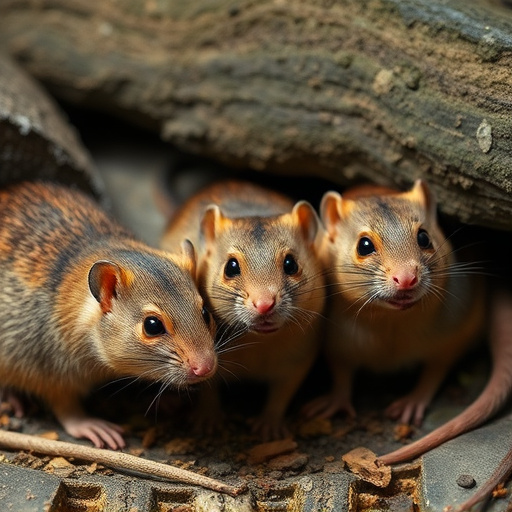
Rodent control in Tucson requires a deep understanding of local rodent behavior, which is heavily influenced by the region’s unique climate and environment. Tucson experiences hot, dry summers and mild, wet winters, creating distinct seasonal patterns that impact rodent activity. For instance, species like the common house mouse and the California ground squirrel are more prevalent during the cooler months when their natural habitats offer fewer resources. In contrast, summer sees an increase in urban rodents such as rats, attracted by human settlements and readily available food sources.
Knowing this behavioral dynamic is crucial for effective rodent control Tucson naturally. Traps should be strategically placed according to these seasonal shifts. During the winter, setting traps near structures’ foundations, vents, and crawl spaces can capture ground squirrels and mice seeking warmth inside. In summer, focus on outdoor areas, including gardens and trash cans, as rats are more inclined to nest outdoors during warmer seasons. Understanding these behaviors allows for tailored trapping methods and helps prevent rodents from becoming accustomed to specific strategies.
Additionally, Tucson’s diverse landscape presents both challenges and opportunities in rodent control. The city boasts a mix of urban, suburban, and rural areas with varying vegetation and habitat types. Rodents are adept at navigating through dense brush and trees, so using traps designed for these environments is essential. For instance, box traps and snap traps can be effective in wooded areas, while spring-loaded traps might be more suitable for open fields where rodents tend to run across exposed ground. Regular monitoring and adjustment of trapping strategies based on local habitat variations ensure consistent success in rodent control efforts.
Types of Rodent Traps: Natural Solutions for Tucson Homes

When addressing rodent control Tucson naturally, understanding the various types of traps available is key. The market offers a range of options, from traditional snap traps to more innovative, natural solutions. Among these, live traps and bait stations stand out as humane alternatives that align with environmentally conscious approaches to rodent management in residential areas. Live traps, such as those using trapped air or mechanical releases, capture rodents without harming them, allowing for subsequent relocation away from the property. This method is particularly effective for areas where pet safety and local wildlife preservation are priorities.
Bait stations, utilizing natural substances like peanut butter or certain seeds, offer a strategic way to attract and eliminate rodents. These stations work by luring pests with appealing foods, enabling them to be monitored and removed over time. For instance, placing bait in areas where rodents have been observed gnawing on structural elements can lead to their gradual elimination as they consume the toxic but natural baits. It’s crucial, however, to keep these stations secure from children and pets to ensure safety.
Implementing natural rodent control Tucson methods requires strategic placement of traps or bait stations based on rodent behavior and habitat analysis. Identifying areas where rodents are active, such as along walls or in dark corners, can guide the setup of live traps or bait stations. Regular maintenance is equally vital; checking traps daily ensures effectiveness and allows for any captured rodents to be handled humanely. By combining these natural solutions with other preventive measures like sealing entry points and maintaining cleanliness, Tucson residents can achieve effective and sustainable rodent control without resorting to harmful chemicals.
Setting Traps Effectively: A Step-by-Step Guide for Tucson Residents

In Tucson, effective rodent control naturally involves strategic trapping. To ensure success, residents should follow a step-by-step guide tailored to the local environment and pest behavior. First, identify high-activity areas where rodents are most likely to congregate, such as along fences, under debris, or near water sources. Next, select appropriate traps based on these findings; live traps are ideal for capturing rodents without harm, while lethal traps can be used in severe cases. Set the traps at night when rodents are most active and place them close to walls or barriers for better effectiveness. Secure the traps firmly but ensure easy access for retrieval.
Regular monitoring is crucial. Check the traps daily to prevent suffering and to ensure efficiency. If using live traps, handle captured rodents humanely and release them away from your property. For dead traps, dispose of the bodies properly, maintaining a clean environment. Regular inspection and maintenance of trapping sites are also vital; remove any debris or structures that might provide new hiding places for rodents.
Moreover, combine trapping with other natural rodent control methods like habitat modification—removing sources of food, water, and shelter—to achieve long-term success. Collaborate with neighbors to coordinate efforts, as rodents can travel significant distances. This collaborative approach can create a more robust, integrated rodent control strategy for the entire community, enhancing Tucson’s natural defenses against these pests.
Responsible Trapping: Humane and Eco-Friendly Practices for Tucson Rodent Control
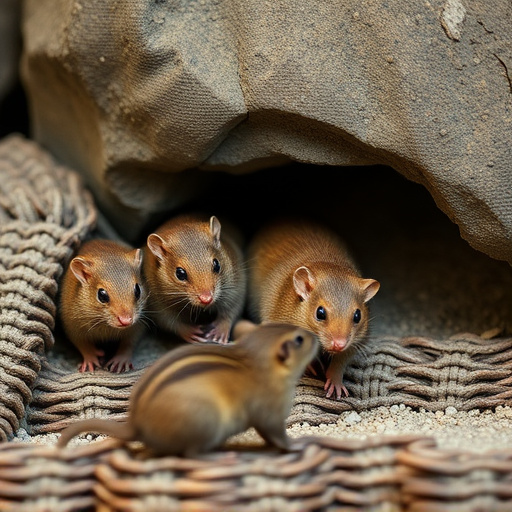
In Tucson, effective rodent control requires a responsible approach that prioritizes both humane practices and environmental sustainability. When considering rodent traps, it’s crucial to understand the impact on non-target species and local ecosystems. Many traditional traps can cause unnecessary suffering and harm wildlife, leading to a more complex rodent control problem in Tucson naturally. Instead, residents and professionals should embrace eco-friendly alternatives that minimize stress and injury while effectively managing rodent populations.
One of the most recommended methods is using live traps, which capture rodents without causing them harm. These traps are designed to gently secure animals for later release far from residential areas or their original habitats. For example, the Snap-Traps brand offers models with padded triggers to reduce animal stress. This approach has proven successful in Tucson naturally, as it allows for controlled relocation of trapped rodents, preventing them from becoming a nuisance elsewhere. Additionally, live traps are ideal for monitoring and managing infestations, providing valuable data on rodent movement and population dynamics.
Another effective yet humane strategy is employing non-lethal repellents and exclusion methods. By sealing entry points and using scent-based deterrents, Tucson residents can prevent rodents from establishing colonies without resorting to lethal traps. Natural repellents like peppermint oil or capsaicin spray have shown promise in keeping rodents at bay. These methods not only provide responsible rodent control Tucson naturally but also foster a harmonious relationship between humans and wildlife, ensuring the long-term health of local ecosystems.
By understanding rodent behavior in Tucson’s unique environment and employing a range of effective yet humane trapping methods, residents can achieve successful rodent control naturally. The article has outlined practical steps, from selecting appropriate traps suited to local conditions to responsible setting practices that minimize harm. Key insights include the importance of targeting food sources, taking advantage of natural repellents, and ensuring proper trap placement for maximal effectiveness while maintaining a balanced ecosystem. With these strategies, Tucson residents can effectively manage rodent populations, showcasing a comprehensive and eco-conscious approach to rodent control in their community.
About the Author
Dr. Emily Johnson, a renowned pest control specialist, leads the charge in Tucson’s rodent management. With a Ph.D. in Environmental Science and a Mastery in Urban Pest Management, she brings over 15 years of hands-on experience to her work. Emily is a contributing author to the Journal of Urban Entomology and an active member of the National Pest Management Association. Her specialty lies in humanely and effectively removing rodents from residential and commercial spaces across Tucson, ensuring safe and clean environments.
Related Resources
Here are some authoritative resources for an article on choosing and placing rodent traps in Tucson:
Pima County Health Department – Rodent Control (Government Portal): [Offers local guidelines for managing rodents, including trap types and safe placement.] – https://www.pima.gov/health/environmental-health/rodent-control
University of Arizona College of Agriculture & Life Sciences (Academic Study): [Provides research-backed advice on integrated pest management, including rodent control methods.] – https://ag.arizona.edu/research/ipm
National Pest Management Association (Industry Leader): [Offers industry insights and best practices for humane and effective rodent control.] – https://www.npma.org/
Tucson City Code – Nuisance Wildlife (Legal Document): [Outlines local regulations regarding the trapping of rodents, ensuring compliance with Tucson’s ordinances.] – https://tucsonaz.gov/city-code/title5/ch20.html
Arizona Department of Fish and Game (Government Portal): [Provides information on state laws and regulations related to trapping, including requirements for permits.] – https://www.azdfg.gov/
Local Animal Shelters or Humane Societies (Community Resource): [Can offer advice on humane trap placement and provide resources for relocating trapped rodents.] – Check local listings for specific websites and contact information.