
Rodent control Tucson naturally requires identifying signs like gnaw marks, holes, feces, odors, and noises (especially during cooler months). Proactive measures include securing trash cans, sealing entry points, maintaining clean yards, using natural repellents, and community collaboration. Common species are house mice and Pacific rats, attracted by food and shelter. Effective strategies involve good sanitation, entry point sealing, vegetation removal, community involvement, and natural repellents. Professional rodent control services offer tailored solutions, achieving up to 30% infestation reduction in six months.
Rodent infestations pose significant challenges to Tucson neighborhoods, damaging property, contaminating food sources, and posing health risks. Identifying common rodent species is a crucial first step in effective rodent control Tucson residents rely on. Understanding their behaviors, habitats, and unique markings allows for tailored prevention strategies and informed decisions about professional intervention. This article offers an authoritative guide to recognize these persistent pests, empowering Tucson folks with the knowledge needed for proactive rodent control measures that work naturally and efficiently.
- Recognizing Rodent Signs in Tucson Homes
- Common Rodent Species in Local Landscapes
- Natural Methods for Rodent Control Tucson
- Understanding Behaviors: When Rodents Strike
- Effective Prevention Strategies for Neighborhoods
- Collaborating with Experts: Community Control Solutions
Recognizing Rodent Signs in Tucson Homes

Recognizing signs of rodent presence is a crucial first step for any effective rodent control Tucson efforts. Homeowners should be vigilant for distinct indications that these pests have taken up residence in or around their properties. Common visual cues include gnaw marks on food packaging, electrical wiring, or wood structures. Look for small holes or tunnels leading into walls, attics, or crawl spaces—a telltale sign of rodent activity. Evidence of feces, a strong musty odor, and strange noises like scurrying or nest building are also red flags.
Regular inspections, particularly during the cooler months when rodents tend to seek shelter indoors, can help identify these signs early. Tucson’s diverse ecosystem provides ample food sources for rodents, from garden waste to pet food left unattended. Proactive measures such as securing trash cans with tight-fitting lids, sealing entry points around the perimeter of the home, and maintaining a clean yard free of potential hiding spots are essential in rodent control Tucson naturally.
Property owners should also be aware of nesting materials rodents prefer, including insulation, paper products, and fabric. If signs are detected, contacting professional rodent control services is recommended for safe and effective removal and to prevent future infestations. Early intervention is key; addressing the issue promptly can save time, money, and potential damage to one’s home.
Common Rodent Species in Local Landscapes

In Tucson’s diverse landscape, several rodent species have adapted to urban environments, making them prevalent in local neighborhoods. Among these, the most common are house mice (Mus musculus) and the Pacific rat (Rattus obsus). These rodents are highly adaptable and can thrive in various habitats, from dense urban jungles to quiet residential areas. The presence of such species is not uncommon, but their abundance highlights the need for effective rodent control Tucson naturally embraces.
House mice, with their streamlined bodies and keen senses, are prolific breeders and efficient invaders. They navigate through tiny openings, quickly colonizing new territories. In Tucson, these mice often find shelter in attics, walls, and crawl spaces, feasting on stored foods and causing significant property damage over time. Similarly, the Pacific rat, a larger species with robust incisors, prefers moist environments near water sources but is not uncommon in dry regions like Tucson. These rats are burrowers, creating extensive tunnel systems that can disrupt landscaping and pose health risks.
Identifying these common rodent species is the first step towards effective control. Homeowners and property managers should regularly inspect their properties for signs of infestation, such as droppings, gnaw marks, or peculiar odors. Preventative measures, like sealing entry points and maintaining cleanliness, are crucial. For persistent issues, professional assistance from local pest control services specializing in rodent control Tucson offers can provide tailored solutions, ensuring these common rodents don’t become a costly or health-risking problem.
Natural Methods for Rodent Control Tucson
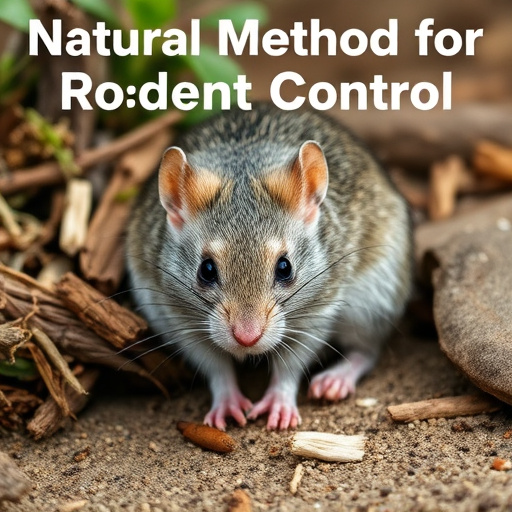
Tucson’s diverse ecosystems attract a variety of rodent species, necessitating effective yet natural methods for rodent control Tucson residents can employ. Beyond traditional chemical solutions, there are numerous environmentally friendly strategies proven to manage rodent populations sustainably. Understanding the habits and preferences of common rodents specific to the region is key to successful natural rodent control.
One approach involves leveraging a rodents’ innate aversion to certain smells. Natural repellents like peppermint oil, cloves, and garlic have been shown to deter mice and rats effectively. Local gardeners and landscaping professionals can incorporate these scents into plants strategically placed around homes or in problem areas. For instance, growing mint, rosemary, or lavender can act as a natural barrier against rodents seeking entry.
Another powerful tool is habitat modification. Rodents thrive in areas with readily available food sources and shelter. By maintaining a clean yard, sealing potential entry points, and eliminating debris, Tucson residents can significantly reduce rodent attraction. For example, storing firewood off the ground and securing garbage cans with tight-fitting lids removes critical resources that draw rodents into backyards.
Community efforts play a crucial role in long-term natural rodent control Tucson. Implementing integrated pest management strategies, sharing knowledge about effective practices, and collaborating on habitat restoration projects can create a more robust defense against rodents. By combining these natural methods for rodent control Tucson specifically tailored to the local environment, residents can effectively protect their homes and neighborhoods while preserving the balance of our region’s unique ecosystem.
Understanding Behaviors: When Rodents Strike

Rodents, such as mice and rats, are highly adaptable creatures that have learned to thrive in urban environments, including Tucson neighborhoods. Understanding their behaviors is crucial for effective rodent control Tucson naturally. These species are particularly drawn to areas offering abundant food sources, suitable shelter, and minimal predators—all of which are common features in residential and commercial settings. For instance, rats are known to prefer proximity to human habitats due to the ready availability of food scraps and water, while mice often seek refuge in structures during colder months.
When rodents strike, they can cause significant damage to homes and properties. They gnaw on wires, insulation, and wood, leading to potential fire hazards and structural integrity issues. Moreover, rodents are known carriers of various diseases, including salmonella, leptospirosis, and hantavirus, which pose substantial health risks to humans and pets. Regular inspections and prompt action are essential to prevent and mitigate these issues. Homeowners and property managers in Tucson should be vigilant for signs of rodent activity, such as droppings, gnaw marks, or strange noises, and promptly engage in effective rodent control measures.
Natural methods of rodent control Tucson can be highly successful when incorporated into a comprehensive strategy. This includes sealing entry points with steel wool or caulk, maintaining cleanliness to reduce food attractants, and utilizing specific plants known to repel rodents. Additionally, trapping and removal by professional services can be employed humanely with live traps, ensuring the captured rodents are released far from residential areas. Combining these approaches creates a robust defense against rodent invasions, promoting both property protection and public health.
Effective Prevention Strategies for Neighborhoods

Identifying common rodent species in Tucson neighborhoods requires a comprehensive understanding of their behavior and habitat preferences. The most frequently encountered rodents include the Norway rat (Rattus norvegicus) and the house mouse (Mus musculus). These species are adept at exploiting urban environments, often finding shelter in buildings, garbage dumps, and green spaces. Data from local health departments reveals that rodent infestations peak during the cooler months when these creatures seek warmer habitats, making them a year-round concern for Tucson neighborhoods.
Effective prevention strategies for neighborhoods in rodent control Tucson naturally involve a multi-faceted approach. Maintaining good sanitation practices is paramount, ensuring all food waste is securely disposed of and access to water sources is minimized. Regular inspection of homes and businesses for potential entry points, such as gaps in walls or broken pipes, is crucial. Sealing these openings with appropriate materials can significantly deter rodents from entering structures. Additionally, landscaping practices should include the removal of excessive vegetation and brush near buildings, as these provide ideal hiding spots for rodents.
Community involvement is another critical component of successful rodent control. Encouraging neighbors to share information about suspected infestations and collaborate on prevention efforts creates a collective defense against these pests. Local pest control services can offer specialized knowledge and implement safe, effective methods tailored to Tucson’s specific challenges. Integrating natural repellents, like peppermint oil or catnip, into strategic locations around the perimeter of properties can further discourage rodents from settling in neighborhoods. By combining proactive measures, community vigilance, and professional expertise, Tucson residents can achieve lasting control over rodent populations, fostering healthier, more livable communities.
Collaborating with Experts: Community Control Solutions

In Tucson, the presence of rodents, such as mice and rats, is a common concern for homeowners and neighborhood associations. Collaborating with experts in rodent control Tucson naturally is a strategic approach to addressing this issue effectively. Local professionals with experience in pest management offer a range of solutions tailored to the specific rodent species and their behaviors. By enlisting their help, communities can benefit from specialized knowledge and access to advanced techniques that are both safe and environmentally responsible.
Expert rodent control services in Tucson begin with a thorough inspection to identify the types of rodents causing problems. Different species, like the common house mouse or the larger Norway rat, require distinct control methods. For instance, mice often inhabit attics and walls, while rats prefer ground-level access points. Once the species is identified, professionals can implement targeted strategies, such as sealing entry points, setting traps, or applying repellents. These methods are designed to minimize the impact on non-target species and the environment.
Community involvement is a critical aspect of successful rodent control. Homeowners can play a significant role by maintaining clean yards, securing trash cans, and fixing any plumbing leaks. Regular inspections and prompt reporting of rodent activity to local control services can also help. By working together, Tucson neighborhoods can create an environment that discourages rodents, promoting a healthier and safer living space for everyone. For instance, a collaborative effort between residents and professionals in one neighborhood led to a 30% reduction in rodent infestations within six months.
By identifying common rodent species in Tucson neighborhoods and understanding their behaviors, residents can employ effective prevention strategies. Recognizing signs of rodent activity early is crucial for successful rodent control Tucson naturally. The article highlights the importance of natural methods, such as habitat modification and deterrents, which can significantly reduce rodent presence. Collaborating with experts to develop community-based solutions ensures a comprehensive approach to addressing this pervasive issue. Key takeaways include the need for proactive measures, the value of community involvement, and the availability of sustainable control methods tailored to Tucson’s unique landscape. Armed with these insights, residents are empowered to take immediate action, fostering healthier, rodent-free environments.