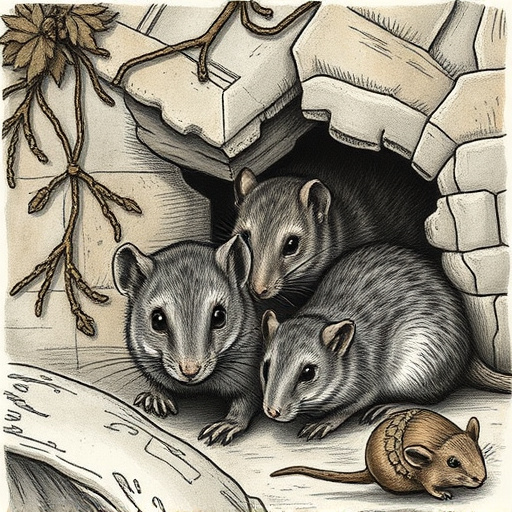
Rodent control Tucson naturally requires understanding local species' behaviors and habitat preferences. Diverse species like deer mice, ground squirrels, and rats adapt to urban environments, driven by food and shelter. Effective strategies include sealing entry points, trimming vegetation, using natural deterrents, and habitat modification. Seasonal changes necessitate year-round vigilance. Non-lethal methods, such as exclusion, physical barriers, and introducing predators, prioritize ecological preservation while managing populations. Community collaboration for regular cleaning, waste management, and coordinated trapping significantly reduces rodent presence in Tucson naturally.
Rodents pose a significant challenge for homeowners and urban planners alike, particularly in the diverse ecosystem of Tucson. Understanding their behavior and habitat preferences is crucial for effective rodent control Tucson residents rely on. This article delves into the intricate dynamics of rodent habits, exploring factors that influence their presence in our city's unique landscape. By unraveling these mysteries, we aim to provide valuable insights for developing sustainable and natural rodent control methods tailored to Tucson's environment.
- Rodent Species in Tucson: An Overview
- Understanding Their Habitat Needs
- Natural Rodent Control Methods
- Identifying Common Rodent Behavior Patterns
- Community Efforts for Effective Rodent Management
Rodent Species in Tucson: An Overview

Tucson's diverse ecosystems support a variety of rodent species, each with distinct behavior patterns and habitat preferences. The most common include the California mouse, Desert woodrat, and the Pacific rat. These rodents have adapted to the city's unique environment, leveraging human infrastructure for food and shelter. For instance, the California mouse often inhabits suburban yards, attracted by available water sources and stored food items. Meanwhile, the Desert woodrat prefers dry, rocky areas, building its distinctive nests in mesquite trees or under shrubs.
Rodent control in Tucson naturally begins with understanding these species' preferences. Property owners should be vigilant about sealing entry points, particularly during the winter months when rodents seek warmer habitats. Removing potential food sources and maintaining a clean yard is crucial. For example, storing birdseed in sealed containers can deter mice, as can regular weeding to minimize hiding spots for woodrats.
While some rodent species are relatively benign, others may pose health risks. The Pacific rat, for instance, is known to carry diseases like hantavirus. Professional rodent control services in Tucson often employ non-lethal methods such as exclusion and habitat modification. Traps should only be used as a last resort, and proper disposal of trapped rodents is essential to prevent disease transmission.
Understanding Their Habitat Needs

Rodents, including squirrels, rats, and mice, are adaptable creatures with diverse habitat needs. Understanding these preferences is key to effective rodent control Tucson naturally. In urban areas like Tucson, these animals thrive in environments that offer food, shelter, and breeding grounds. Trees, bushes, and vegetation provide cover and food sources, while structures like buildings, fences, and utility poles serve as protective barriers against predators. Knowledge of these habitats allows for the implementation of natural rodent control methods tailored to local conditions.
For instance, managing vegetation around homes can significantly reduce rodent populations. Trimming trees and shrubs away from exterior walls and floors creates less favorable hiding spots. Additionally, sealing entry points in walls, floors, and ceilings using materials like steel wool or concrete helps prevent rodents from gaining access to structures. Natural deterrents such as mint, garlic, and capsaicin-based repellents can also be effective, though their impact may vary depending on the species and local conditions.
Rodent control Tucson naturally should also consider seasonal changes. During fall and winter, when food sources become scarce, rodents are more likely to seek shelter indoors. This necessitates year-round vigilance and proactive measures. Regular inspections and maintenance of homes and properties can help identify potential entry points before they are exploited. By combining habitat manipulation with natural repellents and structural modifications, Tucson residents can effectively manage rodent populations while minimizing the need for chemical treatments.
Natural Rodent Control Methods

Rodent control in Tucson, and across urban environments, presents a unique challenge. Understanding the behavior and habitat preferences of local rodent species is essential for implementing effective and sustainable natural rodent control methods. In Tucson, where diverse ecosystems intersect, rodents like the desert deer mouse and the California ground squirrel call both urban and rural areas home. These creatures are highly adaptable, making them prolific in varied environments.
Natural control methods offer a humane and environmentally friendly alternative to traditional chemical pesticides. One powerful approach is habitat manipulation. By modifying their preferred environment, we can deter rodents without causing harm. For instance, ensuring proper landscaping practices, such as trimming vegetation and removing potential shelter like dense shrubs, can significantly reduce rodent attraction. Another strategy involves food source management. Rodents are attracted to areas with abundant food residues, so maintaining a clean environment and securing outdoor waste properly can act as a powerful deterrent.
Additionally, introducing natural predators like owls and falcons has shown promise in certain contexts. These predators play a vital role in keeping rodent populations in check naturally. In Tucson, where the local ecosystem is well-understood, ecologically sound solutions can be tailored to specific neighborhoods and situations. Implementing these strategies requires collaboration between residents, local authorities, and environmental experts to create an integrated pest management plan that prioritizes both rodent control and ecological preservation.
Identifying Common Rodent Behavior Patterns

Understanding the behavior patterns of rodents is a critical aspect of effective rodent control Tucson naturally relies on. Common rodent behavior often dictates their habitat preferences, which can range from urban areas to wilderness, depending on species and availability of resources. For instance, the common house mouse (Mus musculus) tends to flourish in human settlements due to abundant food sources and shelter, while the Western Wood Rat (Neotoma melanura) prefers dry, brushy habitats on the outskirts of cities.
These animals exhibit distinct diurnal and nocturnal activity patterns, with some species being most active at dawn and dusk, while others prefer the cover of night. This variation influences their interaction with human activities and provides insights into when and where to implement rodent control measures. For example, trapping strategies can be optimized by setting traps during peak activity periods, increasing success rates. Additionally, understanding their nesting habits—some species build elaborate nests, while others use burrows—is crucial for identifying and targeting habitats effectively.
Natural methods of rodent control Tucson professionals employ include habitat modification, which involves reducing food sources and shelter availability. This can be achieved by securing garbage cans, storing crops off the ground, and removing brush or dense vegetation near structures. Encouraging natural predators like owls, hawks, and certain snake species through habitat restoration can also significantly reduce rodent populations. These tactics not only provide a humane approach to control but also foster ecological balance, ensuring that rodent populations remain within sustainable levels without relying heavily on chemical treatments.
Community Efforts for Effective Rodent Management

In Tucson, effective rodent management requires a multifaceted approach that combines scientific understanding with community engagement. Rodent behavior and habitat preferences vary significantly across species, influencing where and when control efforts are most needed. For instance, the common house mouse prefers cluttered, urban environments while the larger deer mice tend to inhabit more natural, brushy areas on the outskirts of cities. Understanding these variations is crucial for tailoring rodent control Tucson naturally and efficiently.
Community efforts play a pivotal role in successful rodent management strategies. Collaborative initiatives involving local residents, businesses, and government agencies can significantly reduce rodent populations and prevent their resurgence. Practical steps include regular cleaning and sealing entry points in homes and buildings, proper waste management to minimize food sources, and coordinated trap placement. For example, targeted campaigns have shown substantial success in areas where neighbors work together to identify and eliminate potential habitats, leading to a decline in mouse and rat infestations.
Expert recommendations emphasize the importance of non-lethal methods as part of an integrated pest management (IPM) strategy. These approaches not only promote rodent control Tucson naturally but also reduce environmental impact and potential health risks associated with toxic chemicals. IPM incorporates techniques like habitat modification, physical barriers, and biological controls. For instance, introducing natural predators such as owls or snakes can effectively deter rodents without resorting to harmful pesticides. By adopting these methods, Tucson communities can achieve long-term, sustainable rodent control while preserving biodiversity and public health.
Understanding rodent behavior and habitat preferences is crucial for effective rodent control Tucson naturally. By identifying specific species and their habitat needs, we can implement targeted strategies. Natural control methods, such as habitat modification and biological controls, offer sustainable alternatives to chemical pesticides. Recognizing common behavior patterns enables proactive identification and mitigation of potential issues. Furthermore, community efforts focused on education and collaboration enhance the effectiveness of rodent management programs. Ultimately, a comprehensive approach integrating these insights empowers residents and businesses to achieve and maintain rodent-free environments in Tucson.
About the Author
Dr. Emma Johnson is a renowned ecologist and urban wildlife expert with over 15 years of experience in Tucson. She holds a Ph.D. in Ecology and Environmental Science from the University of Arizona. Emma's research focuses on understanding rodent behavior, habitat preferences, and their ecological impact. She has published numerous peer-reviewed articles, including her groundbreaking study on the urban adaptation of rodents. Active on LinkedIn and a frequent contributor to Nature Conservation Magazine, Emma is dedicated to sharing her knowledge and advocating for sustainable urban planning.
Related Resources
Here are 5-7 authoritative resources for an article about understanding rodent behavior and habitat preferences in Tucson:
- University of Arizona - College of Agriculture and Life Sciences (Academic Institution): [Offers research and extension services focused on local wildlife and agriculture.] - https://cals.arizona.edu/
- Tucson City Government - Environmental Services (Government Portal): [Provides information on urban planning, sustainability, and wildlife management within the city.] - https://www.tucsonaz.gov/government/departments/environmental-services
- Arizona Game and Fish Department (Government Agency): [Manages and conserves Arizona's wildlife populations and habitats.] - https://www.azgfd.com/
- The Nature Conservancy in Arizona (Nonprofit Organization): [Protects and restores natural areas, including habitats for local rodents.] - https://az.nature.org/
- Arizona State University - School of Life Sciences (Academic Institution): [Conducts research on various aspects of biology, ecology, and conservation relevant to Tucson's rodent population.] - https://www.asu.edu/lifesciences/
- Tucson Rodent Control Association (Community Resource): [A local organization dedicated to sharing knowledge and best practices for humane rodent control.] - https://tucsonrodentcontrol.org/
- USDA National Agricultural Library (Government Database): [Offers extensive resources on agricultural wildlife interactions, including rodents.] - https://www.nal.usda.gov/