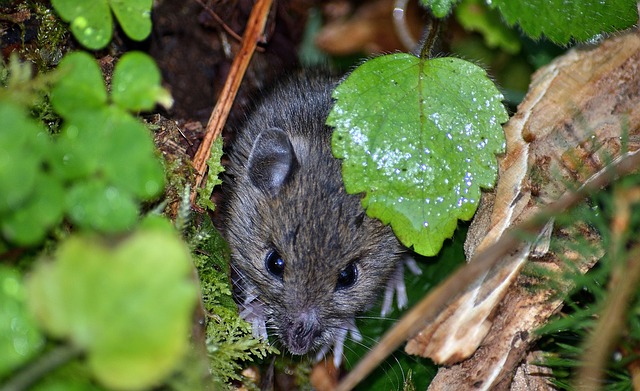
Understanding Rodent Control Tucson
Rodent control in Tucson, Arizona, is a multifaceted approach to managing rodent populations, which includes both preventative measures and responsive actions when infestations occur. This urban pest management strategy is critical for maintaining public health, safeguarding food supplies, and protecting infrastructure from damage caused by these creatures.
Historically, Tucson’s diverse ecosystem, characterized by its arid climate, has supported a variety of rodent species. As the city expanded, human-rodent interactions increased, necessitating the development of effective rodent control programs. These programs integrate ecological knowledge, public health concerns, and urban development plans to address both current and emerging challenges associated with rodent infestations.
The core components of rodent control in Tucson involve habitat modification, population reduction through trapping or baiting, monitoring for early detection of infestations, and community education on best practices for coexisting with rodents. Understanding the behavior and biology of local rodent species, such as pack rats (Peromyscus spp.), deer mice (Perognathus spp.), and house mice (Mus musculus), is essential for designing effective control measures.
Global Impact and Trends
The concept of rodent control extends beyond Tucson’s city limits, with global implications. Urban centers worldwide face similar challenges in managing rodent populations due to their adaptability and the proximity of human activities. Key trends shaping rodent control strategies globally include urbanization, climate change, and the spread of zoonotic diseases.
Urban areas provide abundant resources for rodents, making them more populous and increasing the risk of disease transmission. Climate change alters habitat ranges, potentially bringing new species into contact with human populations. The global spread of diseases like hantavirus, Lyme disease, and salmonellosis underscores the importance of effective rodent control measures.
In different regions, the approach to rodent control varies based on local rodent species, environmental conditions, and cultural attitudes towards pest management. In some areas, biological control using natural predators or pathogens is explored as a sustainable alternative to chemical control methods.
Economic Considerations
The economic aspects of rodent control in Tucson are significant, with market dynamics influenced by the demand for effective pest management solutions and the investment patterns reflecting technological advancements and regulatory requirements. Rodent control services contribute to the local economy, employing a workforce skilled in entomology and pest management.
Investment in rodent control is not only a public health necessity but also a protection of economic assets, including agricultural produce, stored grains, and infrastructure. The cost-benefit analysis of implementing preventative measures against rodent infestations often shows long-term savings by avoiding the damage and contamination they can cause.
Furthermore, the role of rodent control in economic systems is to maintain productivity and protect resources, which are essential for both local businesses and the broader economy. The integration of economic analysis into pest management strategies ensures that interventions are cost-effective and targeted at areas of highest risk and impact.
Technological Advancements
Technology plays a crucial role in modern rodent control practices, with advancements providing more humane, efficient, and environmentally friendly solutions. Innovations include the development of non-lethal traps that humanely capture rodents for relocation, improved bait stations that minimize exposure to non-target species, and the use of drones for surveillance and monitoring.
The integration of information technology allows for real-time data collection and analysis, enabling more precise targeting of interventions. Genetic analyses of rodent populations can inform control strategies by identifying the most effective management practices for specific species or genotypes.
Looking to the future, technological advancements may include genetic engineering to develop resistance against rodent pests or biotechnological solutions that suppress their populations without causing harm to the environment. The potential of artificial intelligence and machine learning in predicting rodent activity patterns is an area of growing interest.
Policy and Regulation
The governance of rodent control in Tucson is guided by a suite of policies, regulations, and legislative frameworks. These ensure that practices are both effective and ethical, with minimal environmental impact. Regulations dictate the types of baits and traps that can be used, licensing requirements for pest control operators, and protocols for handling captured or euthanized rodents.
Local ordinances may also dictate the maintenance of sanitary conditions to prevent attracting rodents, as well as the reporting and response protocols in the event of an infestation. These policies are often developed in consultation with public health officials, environmental experts, and community stakeholders to balance the need for pest control with conservation efforts and ethical considerations.
The legal framework also addresses the importation and movement of rodent species that could become invasive, reflecting a proactive approach to preventing new infestations. Compliance with these regulations is essential for maintaining public health and safety, as well as protecting Tucson’s biodiversity and urban infrastructure.
Challenges and Criticisms
Rodent control in Tucson, like any pest management strategy, faces challenges and criticisms. These include concerns about the use of rodenticides, which can have unintended consequences on non-target species, including pets and wildlife. The emergence of resistant rodent populations complicates the selection of effective control measures, necessitating a more nuanced approach to management.
Critics argue that reliance on lethal control methods may be short-sighted, as they do not address the underlying causes of infestations, such as food sources and habitat conditions. Community resistance can also impede efforts to implement comprehensive rodent control programs, highlighting the importance of engagement and education in achieving successful outcomes.
To overcome these challenges, a multi-faceted approach is required, combining habitat modification, population reduction, community involvement, and technological innovation. This holistic strategy ensures that rodent control measures are sustainable, humane, and effective over the long term.
Case Study: Tucson’s Pack Rat Dilemma
Tucson’s native pack rats (Peromyscus spp.) present a unique challenge in urban environments due to their role as both pests and natural dispersers of seeds, which are vital for maintaining plant biodiversity. The dilemma lies in balancing the need to control populations that damage property with the ecological importance of these animals as part of the Sonoran Desert’s ecosystem.
Efforts to manage pack rat populations have included non-lethal methods such as exclusion strategies (sealing entry points), habitat modification (removing food sources), and live trapping for relocation. Community education campaigns inform residents about the importance of coexisting with pack rats and provide guidance on preventive measures.
The integration of these conservation-minded approaches with pest control practices reflects a forward-thinking, sustainable model for managing rodent populations in urban settings. This case study demonstrates the complexity of rodent control issues and the need for collaborative, science-based solutions.
Conclusion
Rodent control in Tucson, as part of a global perspective on urban pest management, is a multifaceted endeavor that requires an understanding of ecological, economic, and social factors. By embracing innovative technologies, adhering to strict regulations, and engaging with the community, Tucson can effectively manage its rodent populations while preserving biodiversity and public health. The future of rodent control will continue to evolve with advancements in technology and science, ensuring that Tucson remains a resilient and thriving urban environment.
In Tucson's diverse habitats, rodents like rats and mice pose significant health risks due to their ability to transmit diseases such as Salmonella and Hantavirus. The warm climate here supports year-round rodent activity, making proactive rodent control measures essential for both health and property protection. Homeowners should implement preventive strategies by inspecting for signs of infestation, sealing entry points, and maintaining clean environments. In the event of an actual or suspected rodent infestation, it is advisable to contact professional rodent control Tucson services for effective removal and prevention plans. Regular inspections and maintenance are key to a successful rodent control program in Tucson's varying settings, ensuring the safety and well-being of families and pets. Engaging with these specialized services in Tucson is crucial for comprehensive management of rodent challenges.
In Tucson’s diverse habitats, rodents are a common fixture, yet their presence can pose significant health risks to children and pets. This article delves into the intricacies of rodent behavior and the associated hazards within Tucson homes and outdoor environments, emphasizing the importance of robust rodent control measures in Tucson. Understanding the potential threats from these creatures is crucial for safeguarding the well-being of families and companion animals. With a focus on practical strategies and expert advice, we aim to equip readers with the knowledge necessary to maintain a healthy and safe living space.
Understanding the Health Risks of Rodents in Tucson Homes and Outdoor Spaces

In Tucson, where the arid climate meets suburban and urban environments, rodents like rats and mice can pose significant health risks to both children and pets. These pests are not just a nuisance; they can carry pathogens such as Salmonella and Hantavirus, which can be transmitted through direct contact or contaminated droppings and urine. Understanding the health risks of rodents in Tucson homes and outdoor spaces is crucial for implementing effective rodent control measures. Homeowners must be vigilant, particularly during seasons when food sources are abundant, making Tucson homes attractive to these unwelcome guests. Regularly inspecting for signs of infestation, sealing entry points, and maintaining clean environments can deter rodents. However, if an infestation occurs, professional rodent control Tucson services should be enlisted to safely and effectively address the issue. These professionals not only remove the pests but also implement preventative strategies to safeguard the health of occupants and their pets against potential disease transmission. It’s a year-round concern, as Tucson’s diverse habitats provide ample opportunities for rodent populations to thrive. Thus, ongoing vigilance and proactive rodent control Tucson measures are essential to protect Tucson’s homes and outdoor spaces from the health risks associated with these pests.
Implementing Effective Rodent Control Measures to Protect Children and Pets in Tucson

In Tucson, where the warm climate provides ideal conditions for rodents to thrive, implementing effective rodent control measures is crucial to safeguard the health and well-being of children and pets. The presence of rodents not only poses a risk of property damage through gnawing and nesting but also introduces potential health hazards. Rodents can carry a variety of diseases transmissible to humans and animals, such as Salmonella and Hantavirus. Moreover, their droppings and urine can contaminate food and water sources, leading to illness. To mitigate these risks, homeowners and property managers in Tucson should prioritize rodent control efforts. This includes sealing entry points, maintaining clean environments, and employing traps or environmentally safe baits where appropriate. Professional pest control services in Tucson are well-versed in the local rodent species and can offer tailored solutions to prevent infestations, including monitoring and removal of nests. By taking proactive steps with professional assistance, residents can effectively manage rodent populations, thereby protecting their children and pets from the health risks associated with rodent exposure. Regular inspections and ongoing maintenance are key to maintaining an effective rodent control program in Tucson’s diverse environments, ensuring a safe and healthy living space for families and their beloved pets.
In Tucson, safeguarding children and pets from potential health risks associated with rodents is paramount. As highlighted in this discussion, understanding the behaviors and habitats of these creatures is crucial for implementing effective rodent control measures. Homeowners and pet owners should take proactive steps to prevent infestations by sealing entry points, maintaining clean environments, and utilizing professional rodent control services in Tucson. By doing so, residents can significantly reduce the risk of disease transmission and protect the well-being of their loved ones and furry companions. Proactive management is key to a healthy home and community, ensuring that Tucson remains a safe place for all its inhabitants.